Why short home sessions can build real strength
Signals, not marathons: how brief training triggers change
Muscles, tendons, and the nervous system respond to clear signals, not to the length of a session or the price of the equipment. When a movement feels genuinely challenging in the last few repetitions, yet form stays solid, the body receives a simple message: “adapt or fall behind.” Squats, lunges, push‑ups, bridges, and planks can all deliver that signal in a living room, especially when tension and control stay high.
Making 20–30 minutes actually count
Short sessions work best when they follow a simple, repeatable structure instead of random effort. A basic pattern like 40 seconds of work and 20 seconds of rest for six to eight moves can train strength, coordination, and breathing in under half an hour. Lower‑body moves, upper‑body pushes and pulls, and core stability can all fit into one compact circuit. The time limit reduces decision fatigue: you know you only need to focus hard for a small window. For beginners, this makes it easier to start; for busy people with races or games on the horizon, it lets strength work fit around existing training without tipping into exhaustion.
Turning tiny appointments into real progress
When the plan is “a focused 10–30 minutes” instead of “a huge workout when life allows,” training stops competing with everything else in the day. Those short appointments stack up surprisingly fast over weeks. Runners or cyclists can tuck a strength mini‑session after an easy outing. Desk workers can slot bodyweight circuits between meetings. The goal is not to end every day destroyed; it is to layer strength and stability gently under everyday life. Over time, joints feel more supported, posture improves, and high‑intensity days feel more controlled because the body has a broader base to stand on. Consistency, not heroics, becomes the engine of change.
Linking living‑room training to race or game day
Moving like your sport, not just working muscles
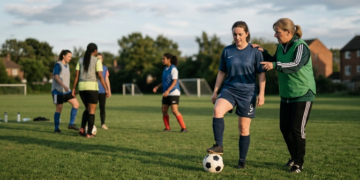
Performance on a course, court, or field depends on how well the body controls force in specific patterns. Running, for example, is mostly a single‑leg sport: every stride asks one leg to hold, push, and balance while the rest of the body stays aligned. Split squats, step‑ups, and single‑leg deadlifts mimic this reality far better than only doing double‑leg machines. Calf raises prepare the lower leg for repeated impacts, while trunk work keeps the torso from collapsing when fatigue creeps in. When these patterns become strong in the living room, they appear automatically when intensity rises outside.
Fatigue resistance: holding form when it really counts
Races and tough matches are rarely lost because someone cannot produce one big effort; they are lost when form breaks down under repeated efforts. Strong hips keep stride length from shrinking in the final minutes. A stable trunk supports efficient breathing instead of letting shoulders round and chest sink. Short strength sessions that introduce mild to moderate fatigue—while still protecting good technique—train the body to hold quality under stress. The payoff shows up late in hard efforts, when those who built resilience quietly at home keep moving smoothly while others start to unravel.
Protecting recovery with simple weekly structure
Hard days, easy days, and true rest
Stronger results often come from how a week is arranged rather than how hard any single workout feels. Alternating demanding days with easier ones gives tissues and the nervous system room to rebuild. A harder day might include a brisk strength circuit, intervals, or hill efforts. The next day shifts to gentle walking, lighter bodyweight work, or core and mobility. At least one day each week deserves to be nearly full rest, with only light movement to keep blood flowing. This rhythm prevents the quiet, grinding fatigue that slowly erodes speed, motivation, and mood.
A simple guide to placing sessions
Short home sessions can act as main events or support acts, depending on the day. One practical structure is:
- 1–2 “key” efforts (intervals, challenging circuits, or longer outings)
- 2–3 moderate days with easier strength or steady cardio
- 1–2 low‑intensity recovery days with walking and mobility
Here is a rough comparison of how different days might look for a busy recreational athlete:
| Day type | Main focus | Home‑friendly examples | Recovery emphasis |
|---|---|---|---|
| Key effort | Push capacity and speed | Interval runs, tough strength circuits | Early night, light stretching |
| Moderate day | Maintain and refine | Controlled bodyweight work, steady jogging | Easy walk, relaxed breathing drill |
| Recovery day | Restore and reset | Gentle mobility flow, casual stroll | Extra sleep, calming routines |
Using this kind of pattern, sessions become puzzle pieces instead of random events, and recovery has a defined place instead of being whatever happens when training finally stops.
Treating recovery as part of the session
The few minutes right after training are a powerful chance to steer the body toward repair. Slow breaths with longer exhales tell the nervous system that the “alarm” phase is over. Gentle stretches or joint circles keep muscles from stiffening as you cool down. A quick drink and a simple snack start the refuel process. None of this needs to be elaborate; it simply needs to happen often. When recovery steps are built into the workout itself, they stop feeling like extra chores and start feeling like a natural closing ritual.
Natural ways to bounce back faster
Sleep and stress: the quiet performance enhancers
Most repair work happens while you sleep. Deep, regular rest rebuilds muscle fibers, refreshes energy stores, and calms the brain. Late‑night screens, heavy late meals, and intense workouts right before bed can all make that process harder. Swapping them for a short stretch, a warm shower, or quiet reading often pays off in better sleep quality. Lower background stress helps as well; when life is hectic, dialing training intensity back briefly can protect long‑term progress far more than forcing “beast mode” every day.
Food, fluids, and everyday movement
After a demanding session, muscles are especially ready to use nutrients. A balanced meal or snack that includes some protein and carbohydrates supports repair and refueling. Drinking water steadily through the day keeps circulation and temperature control in a good place, which makes future workouts feel less like a struggle. Light movement between long sitting periods—walking to grab a drink, standing phone calls, stretching hips and shoulders—acts like mini active recovery.
Gentle tools that help muscles feel ready
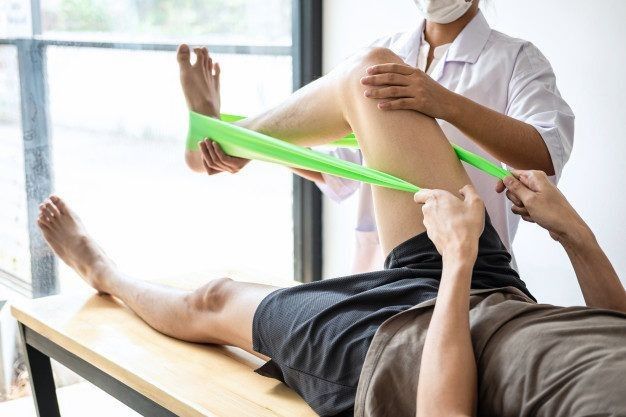
Simple self‑care practices can reduce stiffness without feeling like a project. Light self‑massage with hands or a ball, or relaxed time with a basic roller, can ease tight spots in calves, thighs, and hips. Easy mobility routines focusing on ankles, hips, and mid‑back joints keep movement smooth. On heavier training weeks, some athletes also use warmth‑based techniques or alternating warm and cool water to encourage circulation and relaxation.
Below is a practical way to think about different recovery tools at home:
| Tool or habit | Best used when you feel… | Main benefit you’re aiming for |
|---|---|---|
| Gentle walking/mobility | Stiff or heavy, but not sore | Looser joints, better blood flow |
| Light self‑massage | Tight in specific areas | Local tension relief, comfort |
| Warmth or contrast use | Extra sluggish after hard work | Relaxation, sense of lighter muscles |
| Calm breathing/quiet | Wired, stressed, or “on edge” | Easier sleep, lower nervous system strain |
The goal is not to do everything every day, but to pick one or two options that match how you feel and use them consistently.
Putting it together for sustainable progress
A realistic daily rhythm for busy people
A practical pattern for many adults looks like this: on three days each week, a 20–30 minute strength or mixed session at home; on two days, shorter cardio or interval work; and on the remaining days, light movement and recovery. Each session is small enough to fit around family, work, or study, but regular enough to keep your body adapting. Over months, tiny upgrades in strength, posture, and endurance accumulate into noticeable change, whether your goal is finishing a first event, setting a personal best, or simply feeling more energetic.
Stronger by training and recovering on purpose
Progress lives in the space between deliberate effort and equally deliberate rest. Short, well‑planned home sessions supply the signal. Sleep, food, hydration, light movement, and simple recovery tools turn that signal into lasting change. When those pieces work together, you are not just surviving workouts—you are building a body that can lift, run, and play hard, then bounce back ready to do it again.
Q&A
-
What is a safe daily workout routine for beginners at home without equipment?
A simple plan is 3–4 rounds of squats, push‑ups (or wall push‑ups), glute bridges, planks, and brisk marching in place, done 20–30 minutes a day, 3–5 times per week. -
How can I structure an effective workout routine at home for muscle gain?
Focus on full‑body compound moves (squats, lunges, push‑ups, rows with bands), train each muscle 2–3 times weekly, use slow controlled reps, and progressively add sets, reps, or resistance. -
What does a practical 30‑minute workout routine for busy people look like?
Use circuit or interval style: 5‑minute warm‑up, 20 minutes of alternating strength and cardio moves with minimal rest, plus 5 minutes of stretching to maximize efficiency and consistency. -
What are key sports recovery tips after intense training sessions?
Prioritize sleep, hydrate with electrolytes, eat protein and carbs soon after, use light stretching or easy movement, and avoid back‑to‑back maximal sessions for the same muscle groups. -
How can I speed up muscle recovery naturally and what methods do athletes rely on most?
Use quality sleep, sufficient protein, anti‑inflammatory whole foods, gentle mobility work, contrast showers, and occasional massage; many athletes combine these with planned rest days and deload weeks.