Getting Started With Beginner Jump Rope Practice
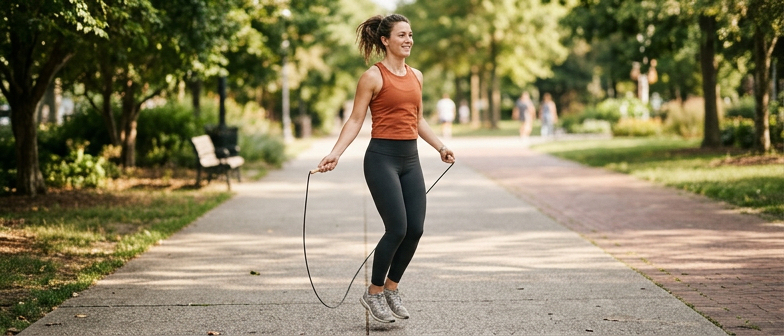
Beginner jump rope practice is an easy way to add movement to your day with minimal space and equipment. A simple rope and comfortable shoes are enough to begin. This low impact jump rope style uses small, steady hops instead of high, forceful jumps, which reduces stress on your joints compared with intense routines. Many people use beginner sessions to build a regular activity habit, add variety to their exercise, or warm up before other workouts. Because the pace stays gentle and the movements are straightforward, you can adjust the practice to different fitness levels and time limits.
At the start, your goal is not advanced tricks but a smooth, repeatable rhythm that feels manageable. Very short sessions with breaks are fine for first attempts. Paying attention to posture, breathing, and how your feet land helps you build a safer foundation for future progress. Over time, this simple rope routine supports better coordination and timing as you match the turning rope with your hops. By keeping expectations realistic and treating the practice as a gradual skill you develop step by step, you give yourself room to adjust intensity and decide how jumping rope fits into your overall approach to staying active.
Choosing the Right Rope and Space
For a comfortable beginner jump rope practice, start by choosing a rope that matches your height and is easy to control. A simple, lightweight plastic or PVC rope works well for most beginners. To follow a basic rope length guide, stand on the center of the rope with both feet and pull the handles up along your sides. If the tips of the handles reach somewhere between your armpits and shoulders, the rope is usually a suitable length. Handles that feel secure and do not slip help you focus on timing and coordination instead of worrying about your grip.
The space you choose matters as much as the rope for safe practice. Use a flat, even area with enough room to swing the rope without hitting walls, furniture, or people. Many new jumpers find it easier to learn basic steps on a firm but slightly forgiving surface, like a gym floor or mat, instead of hard concrete. Make sure there is enough overhead clearance so the rope can rotate freely, and remove clutter that might disrupt your coordination exercise routine. Supportive athletic shoes and comfortable clothing help keep each low impact jump rope session smooth and let you focus on steady progress in your beginner jump rope practice.
| Checklist Item | Reason for Beginner Practice | Suggested Action |
|---|---|---|
| Rope length reaches between armpits and shoulders | Helps maintain controlled, low impact jumps | Adjust rope gradually until handles sit at mid‑upper torso |
| Lightweight plastic or PVC rope | Supports steady timing and coordination | Choose a simple design without added weights |
| Handles feel secure and non‑slip | Reduces grip distraction during basic steps | Test several grips and pick one that stays comfortable |
| Flat, even practice surface | Lowers chance of tripping or uneven landings | Avoid cluttered or sloped areas when setting up space |
| Adequate overhead and side clearance | Prevents rope from hitting obstacles | Confirm rope can swing freely in all directions |
| Supportive shoes and comfortable clothing | Keeps low impact sessions smoother | Wear athletic footwear and non‑restrictive gear |
Basic Rope Length Guide for Beginners
For beginner jump rope practice, use this simple rope length guide to make your setup feel controlled. Stand on the middle of the rope with both feet and pull the handles up along your sides. For most people, the tops of the handles should land between the middle of the chest and the shoulders. If they sit much higher, the rope is probably too long; if they fall well below the chest, it is likely too short and may catch your feet. Beginners often choose a slightly longer rope for low impact drills and coordination practice, then shorten it in small steps, testing a few basic jumps after each adjustment.
Warm-Up and Low-Impact Preparation
Before starting any beginner jump rope practice, begin with a short jump rope warm-up that prepares your joints and muscles. March in place for about one minute and swing your arms gently to boost blood flow without sudden impact. Add shoulder rolls, ankle circles, and light torso twists, paying attention to how your body feels. Ease into a slightly faster rhythm only if it stays comfortable so your heart rate rises gradually and you set a steady pace for the rest of your session.
When you feel warmer, move into low impact jump rope drills that reduce stress on knees and feet. Instead of full jumps, use small hops where your heels barely leave the floor, or a gentle step-touch pattern while the rope turns slowly. Land softly with slightly bent knees and an engaged core, and stop if you notice sharp pain or unusual discomfort. These joint-friendly options help you learn rope timing and develop confidence while keeping effort safe and controlled.
As you gain confidence, turn your warm-up into a simple coordination exercise routine that supports basic jump rope steps. Practice turning the rope slowly while stepping in place, then add short intervals where you hop once and let the rope pass under your feet, followed by a few seconds of marching recovery. Alternate between stepping and hopping so your hands, feet, and eyes learn to work together. Notice how smoothly you clear the rope or keep rhythm, and record small improvements in a jump rope progress tracker to follow your development over time.
Gentle Warm-Up Movements Before Jumping
Before any beginner jump rope practice, spend a few minutes on a gentle warm-up to help your body transition into movement. Start with easy marching in place or slow walking, letting your arms swing naturally to raise your heart rate without sudden impact. Add light shoulder rolls and arm circles to loosen the joints that will guide the rope. Then include ankle circles and relaxed knee bends to prepare your legs for low impact jump rope work. Keep each movement smooth and controlled, breathing steadily, so your muscles feel ready but not tired when you pick up the rope. This short, joint-friendly warm-up supports better coordination and makes the first jumps feel more comfortable.
Learning Basic Jump Rope Steps
When you begin a beginner jump rope practice, start by learning how to stand and hold the rope correctly. Keep your feet hip-width apart with your knees soft, and hold the handles at your sides with elbows close to your ribs. Angle your wrists slightly forward so the rope touches the ground just in front of your toes, and focus on turning the rope with your wrists instead of swinging your arms. This posture makes basic jump rope steps easier to control and helps you stay relaxed as you move.
A simple coordination exercise routine with the rope begins with the basic bounce step. As the rope swings over your head and toward your feet, push gently off the balls of your feet and land lightly in the same spot, keeping jumps low to reduce impact on your joints. Aim for a smooth rhythm and keep your torso upright without leaning too far forward. If the rope catches your feet, pause, reset your stance, and start again. Short sets of 20 to 30 seconds with rest in between help you build timing and control without overexertion.
Once you feel comfortable with the basic bounce, add small variations to keep your beginner jump rope practice engaging while still manageable. Try marching in place as the rope passes under you, lifting one foot and then the other to build balance and coordination. You can also practice a slow side-to-side shift of your weight as you jump, staying low and controlled. Changing patterns gradually and paying attention to how your body feels allows you to build a steady foundation before moving on to more challenging skills.
Q&A
-
What makes a beginner jump rope practice different from advanced routines?
Beginner sessions use small, low impact hops, a slower pace, and simple timing so you can focus on learning coordination instead of pushing intensity. -
How do I choose the right rope length as a beginner?
Stand on the middle of the rope and pull the handles up along your sides. For most people, the tops should reach between mid-chest and shoulders for comfortable control. -
What is a simple jump rope warm-up I can do before practicing?
Spend a few minutes marching in place, adding arm swings, shoulder rolls, ankle circles, and gentle knee bends to raise your heart rate gradually. -
Which basic jump rope steps should I learn first?
Start with the basic bounce step: feet hip-width apart, knees slightly bent, turning the rope with your wrists and making quick, light hops just off the floor. -
How can I track progress in a beginner jump rope routine?
You can note total time spent jumping, number of unbroken turns, how often the rope catches, and how steady your breathing feels during and after practice.