What Is a Kids Creative Play Corner and Why It Matters
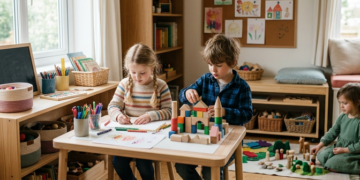
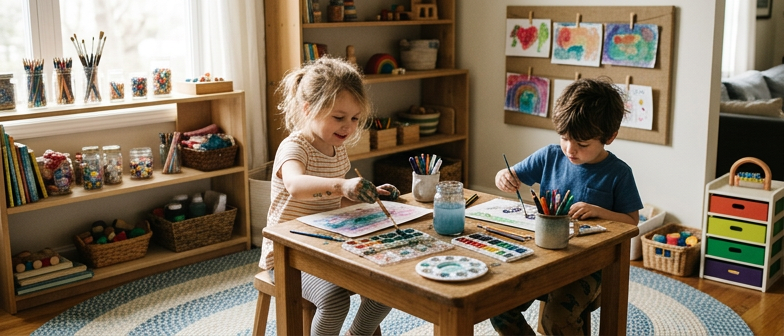
A Kids Creative Play Corner is a small, intentional area in your home where children can safely explore art, stories, building, and pretend play without needing a full playroom or complicated gear. It is a focused imaginative play setup built around a low table, a soft rug, a few cushions, and a reachable shelf with simple materials. The aim is to offer safe indoor play ideas that fit naturally into everyday family life, so children know they have a dependable spot where mess, noise, and experimentation are expected and welcomed.
This kind of child-friendly activity space matters because it quietly supports many parts of healthy development at once. When children return to the same corner each day, they build a daily creative routine that strengthens attention, problem-solving, language, and emotional expression. Clear boundaries help adults supervise and set realistic safety rules while still allowing open-ended play. Over time, a well-thought-out Kids Creative Play Corner encourages children to invent their own games and stories, gives them a sense of ownership and confidence, and helps families weave creativity into the flow of home life.
Planning a Child Friendly Activity Space at Home
Before you buy storage bins or move furniture, think about where a Kids Creative Play Corner will fit into your home and daily rhythm. A child friendly activity space works best in an area you already use often, such as a corner of the living room, the end of a hallway, or part of a shared bedroom. Being close to everyday family life helps children feel included and makes it easier for adults to supervise. Notice how light, noise, and traffic move through the room so you can avoid cramped walkways, echoing hard floors, or dark corners. Even a small footprint can work well if it is clearly defined, visible from nearby rooms, and free of unrelated clutter so children know it is their place to play and create.
Effective family play area planning also means allowing the space to grow with your child. Start with low shelves and soft floor coverings that support safe crawling, stacking, and simple building, then plan how the same corner could later hold art materials, pretend play props, or a small desk without a full redesign. Choose lightweight furniture that can be moved to open up room for imaginative games, and leave a bit of empty space so new interests can be added. Linking the play corner to your daily routine, such as a regular tidy-up before meals or a short creative session after school, helps children understand how to use and care for the area as they become more independent.
| Home Space Option | Best For Household Situation | Supervision & Inclusion | Flexibility As Children Grow |
|---|---|---|---|
| Living room corner | Families spending long periods in shared zones | High, naturally in adult sightlines | High, easy to shift furniture and add zones |
| Bedroom nook | Children needing quieter play or nap-friendly setup | Medium, depends on how often adults pass by | Medium, can evolve into reading or homework spot |
| Shared family area near hallway or stairs | Smaller homes needing every space to multitask | High, close to everyday traffic | High, simple to reconfigure with lightweight pieces |
| Space near kitchen or dining table | Caregivers juggling cooking with quick check-ins | High, visible during meal prep | Medium, may require packing away for shared use |
| Multi-use studio or open-plan room | Families without separate playroom or spare room | Medium to high, depending on layout | High, play corner can expand or contract as needs change |
Choosing the Right Spot and Layout
When you plan a child friendly activity space at home, choose a spot where adults naturally pass through, such as a corner of the living room or an area near the kitchen table. This keeps the Kids Creative Play Corner visible for easy supervision and helps children feel part of daily family life. Check that there is enough floor space for safe movement, that furniture edges are protected, and that power outlets, cords, and breakable items are covered or moved out of reach.
In family play area planning, think about light, sound, and how your child plays so the layout supports safe indoor play ideas without clutter. Natural light is useful, and a stable lamp can make the space cosy in the evening. Keep noisy or active toys at the edge, leaving the centre clear for blocks, puzzles, or pretend play. Use low shelves or open bins to mark the boundary and guide where toys are stored, so your child understands this is a defined place for play.
Simple Toy Organization That Children Can Use
Simple toy organization begins with seeing the Kids Creative Play Corner from a child’s height. Low shelves, shallow baskets, and open bins make it easy to reach toys and put them back. In a truly child friendly activity space, group toys into a few categories that match how your child plays, such as building, pretend play, crafts, and soft toys. Label containers with words and pictures so even non-readers can match toys to their homes. This clear layout helps children understand the space and quickly see where everything belongs.
Keep the system connected to your family play area planning instead of treating storage as a separate project. Place the most used toys closest to the floor spot or small table where your child naturally settles, and keep quieter options like books or puzzles slightly apart from energetic play. Rotate some items in and out so the play corner never feels crowded. Fewer, well displayed toys reduce visual noise, support imaginative play, and make it easier for children to clean up without constant reminders.
Children are more likely to use and maintain a system they helped design. Invite them to choose basket colors, draw picture labels, or decide which toys belong together. During a short daily tidy-up, guide them to return items to their spots instead of doing it for them. Over time, this mix of accessible storage, simple categories, and a shared routine supports independence and makes caring for the play corner feel like a natural part of play.
Rotating Toys to Keep Play Fresh
A simple toy rotation system keeps a Kids Creative Play Corner feeling new without buying more toys. Choose a small selection that fits your child friendly activity space and store the rest in clearly labeled boxes or baskets out of sight. This kind of simple toy organization reduces visual clutter, helps children focus on a few choices, and makes tidying quicker so you can reset the area in minutes each day.
When you plan an imaginative play setup, think in weekly or fortnightly cycles instead of putting out every toy. One week might highlight building materials, another pretend play, always linked to your family’s daily creative routine. Involve your child in choosing what comes out and what gets packed away, so rotation feels playful and becomes a natural part of family play area planning.
Designing for Imaginative and Safe Indoor Play
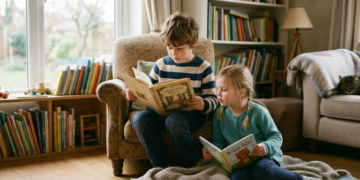
When you design a Kids Creative Play Corner, think about the kinds of pretend play you want to encourage and how children move through the room. A strong imaginative play setup usually has a few clear zones, such as a spot for building, a nook for stories, and a small role-play area with dolls, toy food, or dress-up pieces. Keep the layout open so adults can see the space from nearby rooms without interrupting play. Low tables, floor cushions, and soft rugs make it comfortable to stay engaged, while clear pathways between zones stop the area from feeling cramped.
Safe indoor play ideas start with checking the room before adding toys. Look for loose cords, unstable furniture, and sharp edges, and attach heavy shelves to the wall. Choose sturdy, easy-to-clean materials that suit the ages using the corner, and keep small loose parts away from younger children. Good lighting, rugs that do not slip, and soft storage baskets help reduce trips and bumps. Regular toy rotation keeps the space feeling fresh and gives you a chance to remove broken items.
To support creativity and calm, give the play corner a predictable place in your daily routine. A short creative moment after school, such as building or storytelling, shows children this is their space to explore. Store art supplies, blocks, and pretend-play props in labeled bins at child height so kids can choose and put things away themselves. When the family uses the area together, talk about indoor play rules so the corner stays inviting, imaginative, and safe.
Q&A
-
What is a Kids Creative Play Corner, and how is it unlike a full playroom?
It is a small, clearly marked spot with a few simple materials where children can draw, build, read, and pretend. It fits into an existing room, uses fewer items, and is easier to supervise and tidy than a separate playroom. -
How can I set up a child friendly activity space in a small home?
Pick a visible corner near the sofa or dining table. Keep walkways clear, remove unrelated clutter, and use a rug or low shelf so your child knows this is their place to play. -
What simple toy organization works best for young kids?
Use low shelves with shallow bins, each for one type of toy. Add picture and word labels so children see where things belong and can help clean up with little guidance. -
How often should I rotate toys in the play corner?
Every one to two weeks suits many families. Watch your child; when toys are ignored, swap them with a few stored items to refresh play without adding more stuff. -
How do I plan a safe indoor imaginative play area for the whole family zone?
Create a few small areas, such as a reading nook and a building mat, using soft rugs and cushions. Cover outlets, move breakable objects, and keep paths open so adults can move and supervise easily.