What Nature Scavenger Hunts Are and Why They Matter
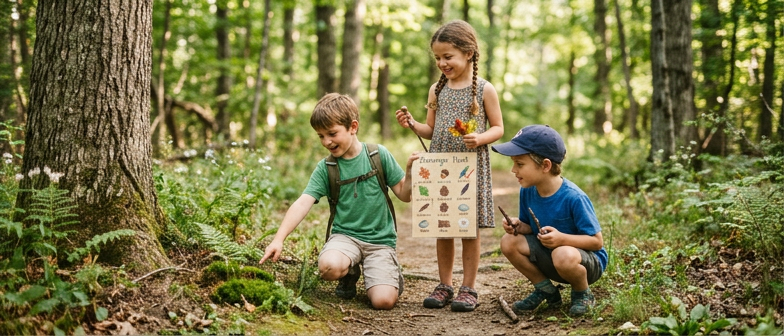
Nature scavenger hunt activities are simple outdoor games where children and adults look for specific items, sights, or sounds in natural spaces, such as a yard, park, or trail. Instead of focusing on competition or collecting as many things as possible, these activities usually center on observation, careful listening, and respectful exploration. A typical outdoor scavenger hunt for kids might include finding different leaf shapes, noticing bird calls, or spotting signs of animal habitats. Because the tasks are flexible, families can adjust them for different ages, local environments, and time limits, making the hunts accessible for many households and community groups.
These activities matter because they support kids’ outdoor learning in a low-pressure, practical way. When children follow a nature observation checklist or search for common plants and rocks, they practice looking closely, comparing details, and asking questions about what they see. Walking together on a family nature walk while using a scavenger list can also encourage conversation and shared discovery, which may help build comfort with spending time outside. Although the benefits can vary, many families use nature scavenger hunts to introduce basic science ideas, nurture curiosity, and create regular opportunities to engage with nearby natural spaces without needing specialized gear or advanced training.
Planning an Outdoor Scavenger Hunt for Kids
Careful planning turns a simple walk into a meaningful outdoor scavenger hunt for kids. Choose a spot that is easy to supervise, such as a park, schoolyard, or familiar trail with clear boundaries. Explore it in advance and build a nature observation checklist around what children can safely see, hear, and touch. Focus on nearby features like leaves, rocks, bird calls, or insect activity, and keep the list short so kids can slow down and notice details. Present the activity as kids outdoor learning rather than a race, encouraging questions and curiosity.
Match the scavenger hunt to the age group. Younger children usually do best with picture clues and broad ideas like something rough or something green, while older kids can handle simple leaf and rock identification, written hints, or small counting tasks. Plan for different abilities so everyone can participate, using visual prompts, buddy pairs, or easy alternatives when an item is hard to reach. Roles such as list reader, map holder, or timekeeper help hesitant children stay involved and feel part of the outdoor scavenger hunt.
Keep safety and preparation straightforward. Set clear rules about staying within sight, respecting wildlife, and avoiding risky areas such as steep slopes or water edges, and share these with kids and adults beforehand. Gather only essential materials like clipboards, pencils, and printed checklists, and decide how and when the group will come back together. End with a short reflection where families or classmates talk about what they noticed. This reinforces that the scavenger hunt is a simple backyard discovery game and a structured way to support everyday observation and nature-based learning.
| Age Group | Environment Match | Checklist Style | Support & Roles | Safety Focus |
|---|---|---|---|---|
| Preschool | Small backyard or fenced schoolyard | Picture-based nature observation checklist | Buddy pairs, adult helper, list reader | High supervision, very clear boundaries |
| Early elementary | Park with open paths and visible landmarks | Simple words, textures, colors, basic sounds | Map holder, item spotter, shared timekeeper | Frequent check-ins, stay-within-sight rule |
| Upper elementary | Signed trail or larger park loop | Leaf and rock identification, short written clues | Team leader, recorder, reflection starter | Emphasis on wildlife respect and hazard avoidance |
| Mixed ages family groups | Familiar neighborhood green space | Tiered list with easy and challenge items | Flexible roles based on comfort and ability | Adult sets boundaries and regroup time |
Creating a Simple Nature Observation Checklist
A simple Nature Observation Checklist works best when it focuses on what children can realistically notice during nature scavenger hunt activities in a nearby park, schoolyard, or backyard. Choose a short list that matches the child’s age, such as easy-to-spot plants, insects, clouds, or sounds like birds calling or wind in the trees. For younger kids outdoor learning, keep wording clear and concrete, and use visuals or simple descriptions so they know what to look for without feeling rushed.
To keep the checklist helpful rather than overwhelming, group items by type, such as plants, animals, and natural features, and limit how many you include so the hunt stays fun. Add brief prompts that guide observation, like noticing colors, shapes, or textures, and leave space for notes or sketches. When the list reflects local seasons and familiar backyard features, it becomes an easy tool families can reuse during a casual nature walk or other outdoor discovery games.
Backyard Discovery Games for Everyday Play
A backyard discovery game can turn ordinary outdoor time into simple Nature Scavenger Hunt Activities that fit easily into busy family schedules. Instead of needing special equipment, kids can start by looking for everyday features such as different shades of green, interesting textures on tree bark, or tiny insects under a garden stone. Parents and caregivers can guide Kids Outdoor Learning by inviting children to notice what changes from morning to evening or from one week to the next, helping them connect routine play with a growing sense of curiosity about the living world around them.
These games work well in many kinds of spaces, from a grassy yard to a shared courtyard or small garden bed, and can be adjusted to match the season. On a warm day, kids might search for signs of new growth or moving insects, while in cooler months they can look for fallen leaves, seed pods, or patterns in bare branches. Families can build a simple backyard checklist that encourages children to observe colors, shapes, sounds, and smells, turning regular playtime into ongoing outdoor exploration. Over time, repeating these low-preparation activities helps kids feel more comfortable outside, supports basic observation skills, and keeps everyday nature close and familiar.
Ideas for Quick Backyard Scavenger Hunt Rounds
For a fast Backyard Discovery Game during a short break, set a simple goal such as finding three different leaf shapes, one smooth rock, and one rough rock within a time limit. This kind of Outdoor Scavenger Hunt for Kids suits mixed ages, as younger children look for any leaf or stone while older kids notice patterns in color or texture. Keep rules light, like staying within sight of an adult and bringing items to a shared spot, so rounds can repeat easily with new targets that smell interesting, feel soft, or show how the season is changing.
Leaf and Rock Identification as Hands-On Learning
Focusing on leaf and rock identification during nature scavenger hunt activities turns a simple search game into hands-on learning. As children examine leaves and stones to complete an outdoor challenge, they notice size, shape, color, and texture. Careful observation shows that not all leaves or rocks are the same and that each has features that can be described and compared. The activity stays playful while introducing the idea that nature can be explored in an organized way.
For kids outdoor learning, you can guide children to sort leaves by traits such as smooth or jagged edges, number of points, or overall outline, and compare rocks by rough or polished surfaces and light or dark colors. The aim is not expert identification but noticing patterns and simple differences. Children can place similar leaves together or group rocks that look alike, building early classification habits that mirror how scientists begin to identify plants and minerals, in a way that feels age-appropriate and low pressure.
Adding this kind of leaf and rock identification to a backyard discovery game or park scavenger hunt encourages thoughtful observation instead of fast collecting. When kids pause to match a found item to a picture card or short description, they practice attention to detail and evidence-based thinking. Over time, these habits can carry into other Nature Scavenger Hunt Activities and support curiosity and basic observation skills that grow with the child.
Q&A
-
What are nature scavenger hunt activities, and how do they support kids’ outdoor learning?
They are simple search-and-observe games where kids look for natural items, sights, or sounds. This helps them notice details, ask questions, and feel confident exploring nearby green spaces. -
How can I set up an outdoor scavenger hunt for kids in a small yard or local park?
Pick a safe, clearly marked area, walk it first, then create a short list of things children can see, hear, or gently touch. Focus on shared exploration instead of racing or prizes. -
What belongs on a basic nature observation checklist for young children?
Include 8–12 simple prompts like a rough rock, a smooth leaf, bird sounds, or clouds. Use clear language and avoid tasks that involve picking rare plants or bothering animals. -
How do I turn everyday outdoor time into a backyard discovery game?
Ask kids to spot small changes: new leaf colors, different insects, or shifting shadows. Short repeatable challenges make regular play feel like an ongoing discovery of nature. -
What is an easy way to practice leaf and rock identification on a family nature walk?
Invite kids to group leaves or rocks by size, color, or texture, then compare. Use a simple field guide or app for names, and remind them to leave most items where they are.