What Educational Puzzle Games Are and Why They Matter
Educational puzzle games are structured play activities that ask children to notice patterns, connect information, and solve problems to reach a clear goal, such as fitting pieces into a board or finding a path through a maze. Unlike games that focus mainly on speed or winning, these learning puzzles highlight thinking processes, including reasoning, memory, and visual recognition. Logic puzzles for children may use numbers, shapes, or simple stories, while picture-based tasks rely on matching or sequencing. Even when they look like ordinary toys, they add a layer of cognitive challenge and invite children to try different strategies instead of relying only on trial and error.
Their importance lies in how they fit into everyday development rather than in any guaranteed outcome. When children experiment with puzzles, they practice skills that can be useful in school and daily life, such as staying with a task, checking their own work, and adapting when a first attempt does not succeed. Educational puzzle games can also support language as children explain what they are doing, and social skills when families or peers solve problems together and take turns. Progress is usually gradual, results differ across children, and no single puzzle covers every area of learning, so these activities work best as one part of a varied mix of play that also includes physical movement, creative projects, and open-ended exploration.
Cognitive and Social Benefits of Puzzle Play
Educational puzzle games give children regular practice with core thinking skills in a playful way. When they explore jigsaw puzzle activities or simple logic challenges, they work with visual details, patterns, and spatial relationships as they test how pieces fit or which step should come next. Many kids puzzle games also ask children to plan, try a solution, notice when it fails, and adjust their approach. These experiences can gradually support puzzle solving skills, but the impact varies with each child’s interests, developmental stage, and the kind of adult guidance they receive.
Working on a puzzle can relate to attention and perseverance. Children often need to hold information in mind, ignore distractions, and stay engaged while they search for pieces or test strategies. Some learning puzzle games include adjustable difficulty, which can keep tasks challenging without becoming overwhelming. Not every child enjoys long periods of focus, and frustration is more likely when a puzzle is too hard or instructions are confusing. Choosing activities that match current abilities and allowing pauses can make sustained effort feel more manageable.
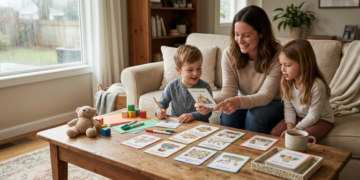
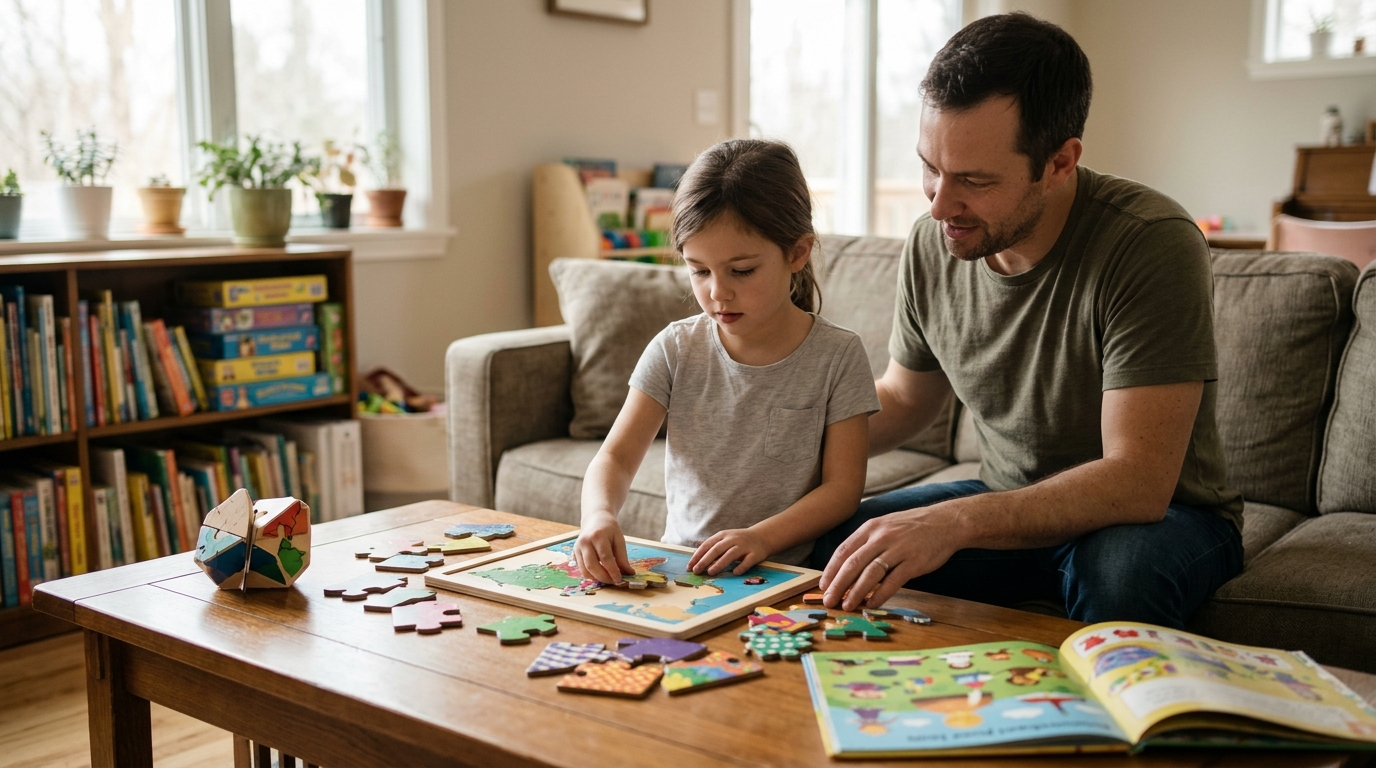
Puzzle play can also be social when families or peers join in. During family puzzle time, children may practice taking turns, asking for help, and explaining why they think a piece belongs in a particular place or how to solve a logic problem. Cooperative activities can open space for conversation and teamwork, and adults can model calm responses to mistakes. The social impact is not the same for everyone, since some children prefer solitary play and household routines may limit shared sessions.
| Puzzle activity type | Primary cognitive focus | Social interaction style | Typical suitability note |
|---|---|---|---|
| Jigsaw puzzle activities | Spatial reasoning and visual scanning | Cooperative piece-finding | Often suitable for mixed-age family puzzle time |
| Logic puzzles for children | Step-by-step reasoning and planning | Discussion of strategies | May fit children who enjoy structured challenges |
| Kids puzzle games with adjustable levels | Attention and perseverance | Shared problem-solving or solo play | Useful when difficulty needs gradual adjustment |
| Picture-based matching games | Pattern recognition and basic categorizing | Light collaboration or parallel play | Generally better for shorter focus periods |
| Multi-player educational puzzle games | Flexible problem-solving approaches | Turn-taking and teamwork | Best when participants are comfortable interacting |
Skills Commonly Supported by Kids Puzzle Games
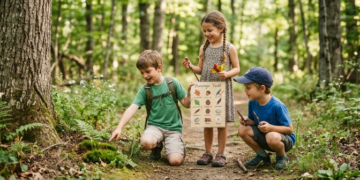
Different types of kids puzzle games can support early learning, though they do not replace formal teaching or professional help when needed. Picture and jigsaw activities invite children to notice shapes, colors, and spatial relationships as they turn and fit pieces, which can contribute to visual perception and hand–eye coordination. Simple matching or sorting games introduce grouping, sequences, and basic categorization, giving children low-pressure practice in organizing information.
Logic-based games, such as easy grid puzzles or age-appropriate brainteasers, offer chances to test ideas, spot patterns, and change approach when something does not work. With adults modeling calm, step-by-step thinking, these activities may encourage attention, patience, and flexible reasoning. Gains in puzzle solving skills are usually gradual, differ between children, and are shaped by the wider learning environment, everyday practice, and individual interest, not only time spent on learning puzzle games.
Types of Educational Puzzle Activities at Home and School
Educational puzzle activities at home often grow out of everyday objects and routines. Traditional jigsaw puzzles help children notice how shapes, colours, and images fit together while practising patience and attention. Some families keep a shared puzzle table where a picture is built over several days, giving children time to return, rethink, and see new patterns. Logic puzzles for children, including simple mazes, matching tasks, and basic number or word problems, can be printed, stored in a folder, or accessed through carefully chosen apps. When adults talk through strategies, such as starting with edge pieces or sorting by colour, they make puzzle solving skills more visible and show that progress usually comes gradually with practice.
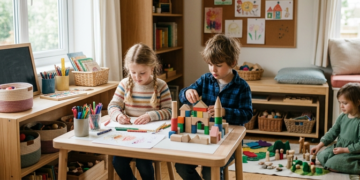
In classrooms, teachers often include learning puzzle games in centres or small-group work. Picture sequencing cards, pattern blocks, and tangram sets connect early maths and reading ideas with hands-on play, while collaborative jigsaw activities encourage turn-taking and discussion. Digital educational puzzle games on tablets or computers may be used to reinforce skills such as letter recognition or basic problem solving, but many schools balance screen time with physical materials and group work. Educators tend to look for clear instructions, adjustable difficulty, and links to specific lesson goals when selecting puzzles. At both home and school, puzzles act as flexible tools rather than complete solutions, and their effect depends on guidance from adults, realistic expectations, and the child’s interests and pace.
Jigsaw Puzzle Activities and Spatial Thinking
Jigsaw puzzle activities give children repeated practice with spatial thinking by asking them to imagine how separate pieces combine into a larger image. As they sort pieces by color, edge shape, or small design details, children begin to notice patterns and relationships between parts and the whole. This kind of kids puzzle play can strengthen puzzle solving skills such as visual scanning, mentally rotating shapes, and checking whether a piece truly matches its surrounding picture instead of forcing it into place.
Making Family Puzzle Time Work for Different Ages
Family puzzle time works best when activities match each child’s age and comfort level. A mix of learning puzzle games can keep everyone involved, such as simple matching or shape puzzles for younger children and logic challenges for older siblings at the same table. Adults can divide a large jigsaw so a preschooler sorts colors or edge pieces while an older child tackles detailed sections. With digital kids puzzle games, caregivers can adjust settings like hints or time limits to keep the experience manageable. Explaining that everyone contributes to the same overall activity, but with different roles, helps younger children feel included while older children stay engaged.
Realistic expectations are just as important as the choice of puzzles. Short sessions with a clear stopping point often suit families with different attention spans better than trying to finish a large puzzle at once. Caregivers can focus on effort and cooperation rather than speed, noticing when children show patience, take turns, or explain their thinking. This links puzzle solving skills to habits like listening and sharing space. A supportive environment allows for days when a child only participates briefly or prefers to watch. Over time, low-pressure routines can turn shared puzzle activities into a familiar family tradition instead of a task that must be completed.
Q&A
-
What makes an educational puzzle game different from other games?
These games are built around patterns, clear goals, and problem solving. Children are asked to reason, remember information, and change their strategy when something does not work, instead of just chasing points or speed. -
How can kids’ puzzle games support learning at home?
They give low‑pressure practice with focusing, following steps, and organizing pieces or clues. This can support school skills but does not replace formal teaching or professional evaluation when families have concerns. -
What are good beginner logic puzzles for young children?
Picture mazes, odd‑one‑out sets, very simple shape or color sudoku, and short story puzzles with one correct ending can fit early reading and attention levels. -
How do jigsaw activities help spatial thinking?
Children compare edges, rotate pieces, and match small details to the whole picture. With repetition, this can support mental rotation and visual scanning used in reading maps, building toys, and early geometry. -
How can a family run puzzle time for different ages?
Choose one shared task and give each child a role, such as sorting colors, finding edges, or working on a harder section. Keep sessions short, allow breaks, and offer hints or easier puzzles to reduce frustration.