What Is a Kids Creative Play Corner and Why It Matters
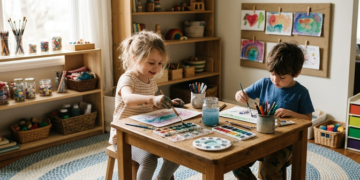
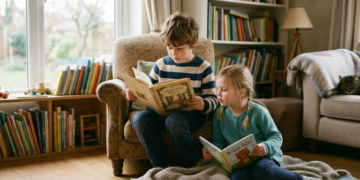
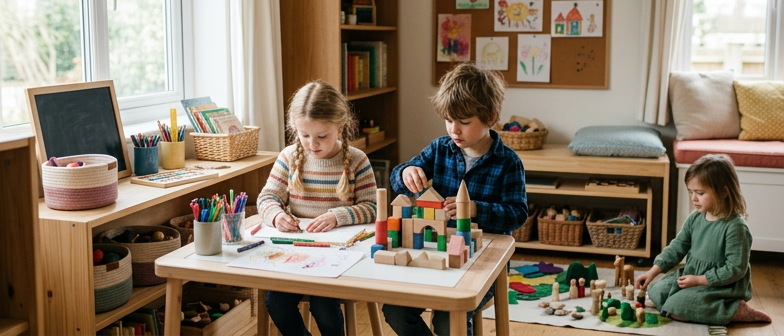
A Kids Creative Play Corner is a small, dedicated area at home where children can draw, build, invent stories, and explore ideas through play. Instead of being a random pile of toys, it is a child friendly activity space set up at a low height, easy for small hands to reach, and comfortable for longer stretches of play. With a simple imaginative play setup, such as a soft rug, a small table, a few baskets of open‑ended toys, and a spot for art supplies, this corner clearly signals to children that this is their place to experiment, make things, and return to familiar activities day after day.
Creating this kind of space matters because it supports several areas of development at once. When children have a consistent creative corner, they can practice problem‑solving, storytelling, and early planning skills as they choose what to play and how to use materials. A thoughtfully designed play area also makes it easier for adults to observe children’s interests and guide them safely, adjusting the environment as they grow. Over time, a well‑used Kids Creative Play Corner helps build focus, independence, and confidence, turning everyday play into a natural part of family life.
Planning a Child Friendly Activity Space at Home
Planning a child friendly activity space starts with choosing the right spot in your home. Pick an area that is easy to see from common rooms so you can supervise while doing daily tasks. Good natural light, a soft rug, and enough room to move without bumping furniture make the Kids Creative Play Corner inviting. Think about everyday routines, such as where children take off shoes, have snacks, or do homework, so the play area feels naturally connected instead of hidden away.
Safety is the foundation of any family play area planning. Before adding toys or art supplies, walk through the space at a child’s eye level and remove tripping hazards, loose cords, and unstable furniture. Use simple toy organization, like low shelves and light bins, so children can reach toys without climbing, and choose soft-edged furniture. When you consider safe indoor play ideas, focus on age-appropriate materials, sturdy step stools with non-slip feet if needed, and clear rules about where active play is allowed.
Once the basics are in place, shape the zone so it supports different activities without taking over the whole home. Use small rugs, cushions, or a child-sized table to separate areas for building, reading, and imaginative play, while keeping walkways open. Keep noisy or messy play away from quiet corners, and store everyday favorites within easy reach so children can start and finish play sessions on their own. A simple, flexible layout supports a daily creative routine that can grow with your child.
| Home Area Option | Visibility for Adults | Safety Considerations | Play Focus | Setup Tips |
|---|---|---|---|---|
| Living room corner | High | Watch cords, coffee tables | Imaginative and family play | Use soft rug and low shelves |
| Dining area edge | Medium | Separate from hot food and drinks | Short creative bursts | Add child-sized table and easy-wipe mat |
| Bedroom nook | Low to medium | Secure furniture, avoid cramped spots | Quiet reading and building | Use cushions and small book basket |
| Hallway or landing | Low | Often narrow and high traffic | Brief passing play only | Use cautiously or choose another area |
| Spare room or office corner | Medium | Check cables and office tools | Independent projects | Zone with small rug and clear toy bins |
Choosing the Right Spot for Your Play Corner
When you plan a Kids Creative Play Corner, start by looking for a spot with natural light, where children can see their toys clearly and feel awake and curious. Place it within easy sightlines of the main living area so adults can keep quiet supervision without hovering, which supports independent play while maintaining safety. As part of broader family play area planning, avoid high-traffic walkways, stair landings, and doorways, and instead choose a corner where children can spread out a little without blocking daily movement through the home.
Designing for Safety, Comfort, and Imaginative Play
When planning a Kids Creative Play Corner at home, start with safety so children can explore confidently. Choose a low-traffic spot you can see easily, and clear the floor of cords, unstable furniture, and sharp-edged decor. Soft rugs or foam mats provide a cushioned surface, while sturdy, tip-resistant shelves keep toys within reach without inviting climbing. For safe indoor play ideas, focus on age-appropriate materials without small parts for younger children, and keep heavier items on the lowest shelves. Simple, consistent rules about where to build forts or how to put away art supplies turn safety guidance into everyday habit.
Comfort turns a basic room into a truly child friendly activity space. Use natural light when you can, then add warm, gentle lamps so the corner feels inviting at any time of day. A few soft cushions, a child-sized chair, or a small beanbag give kids a place to rest with a book between bursts of play, and breathable fabrics help keep the space comfortable in different seasons. Try to reduce background noise and avoid crowding the room with furniture, so children have clear floor space to move, stretch, and spread out their games.
To support imaginative play, design the setup around open-ended materials instead of a large number of complex toys. A simple pretend-play collection might include a small basket of building blocks, a few puppets or dolls, basic costumes, and everyday household items that are safe for make-believe. Keep toy organization straightforward with labeled bins or picture tags so children can find what they want and put it back independently, reinforcing a daily creative routine. By balancing clear safety measures, cozy touches, and flexible materials, your Child Friendly Activity Space becomes a place where children can invent stories, experiment with ideas, and enjoy shared playtime with family.
Simple Safety Checks for Indoor Play Corners
Before play starts, scan the Kids Creative Play Corner from a child’s eye level and clear away small choking hazards, unstable furniture, and toys with broken parts or sharp edges. For a safer child friendly activity space, secure bookshelves and storage units to the wall, cover unused outlets, tie up cords and blind pulls, flatten rugs or play mats, and keep heavier toys on low shelves.
Safe indoor play ideas also depend on simple daily habits. Keep the corner clean and calmly organized so children can move without bumping into clutter, store art supplies and tiny pieces in labeled containers on higher shelves, place sturdy everyday toys in low bins, check the floor for loose parts, confirm windows and doors close securely, and keep snacks at a separate table so the area stays focused on play.
Simple Toy Organization That Kids Can Manage
A Kids Creative Play Corner works best when children can see what they have and put it back with minimal adult help. Simple toy organization starts with limiting how much is out and grouping items by how kids naturally use them, like keeping building sets together or all drawing tools in one spot. Open bins, shallow baskets, and low shelves let young children scan, choose, and return toys on their own. Clear containers or picture labels help pre-readers match toys to their home, while older kids can manage short written labels. Keeping storage at child height turns it into part of the Child Friendly Activity Space instead of a separate grown-up zone.
To keep the play area manageable, weave quick clean-up into your daily creative routine so tidying feels like a normal step, not a big chore. Encourage children to finish one activity before starting another, and show them how to sort pieces back into simple containers without worrying about perfection. Involving them in decisions, such as which toys stay in the Kids Creative Play Corner and which go into a closet for rotation, builds ownership. Over time, this straightforward approach supports independence, cuts floor clutter, and keeps the space ready for the next burst of imaginative play.
Q&A
-
How is a Kids Creative Play Corner different from just keeping toys in a bedroom?
It is a small, clearly marked zone for drawing, building, and storytelling, with low storage and comfy seating that invites longer, focused imaginative play instead of quick toy dumps. -
How can I create a child friendly activity space in a small home?
Use a visible corner of the living or dining room, mark it with a small rug, add a compact table, and rely on one or two low shelves or baskets instead of bulky furniture. -
What simple toy organization works for young children?
Put out only a few toys, group similar items, use shallow baskets or clear bins on low shelves, and add picture or color labels so kids can see where things belong. -
What indoor safety checks should I do for a play corner?
Secure shelves to the wall, cover unused outlets, hide cords, remove broken or sharp toys, use non-slip rugs, and keep heavy or noisy items on the lowest shelf. -
How can I build a daily creative routine around our family play area?
Choose a regular play time, offer two or three simple activity options, keep materials in fixed spots, and always end with a short cleanup so the routine feels steady and easy.